8 Tips to Maintain and Protect Your Newly Refaced Cabinets
Refacing your cabinets is a fabulous way to give your kitchen or bathroom a fresh look without the hassle and expense of a complete overhaul. However, to ensure that your
newly refaced cabinets stay in top-notch condition for years, it's essential to maintain and protect them adequately. Here are eight simple tips to help you do just that.
1. Gentle Cleaning is Key
Avoid harsh chemicals or abrasive pads. Instead, use a soft cloth or sponge with a mild detergent diluted in water. Wipe down your cabinets regularly to remove dust, grime, and any spills. Dry them immediately using a soft towel to prevent moisture damage.
2. Watch Out for Water
Water is a cabinet's enemy. Avoid leaving wet items (like damp cloths or sponges) against cabinet surfaces. If there's a spill, especially near sink areas, wipe it up promptly. Over time, prolonged exposure to moisture can cause warping or other damage.
3. Use Soft-Close Hinges
No more banging doors! Soft-close hinges ensure that your cabinet doors close gently every time. This not only reduces wear and tear but also adds a touch of luxury to your space. It's an affordable addition that can make a significant difference.
4. Invest in Shelf Liners
Protect the inside of your cabinets too. Shelf liners can shield the cabinet's interior from scratches, spills, and wear. They come in various designs and materials – choose one that complements your style and is easy to clean.
5. Keep Direct Sunlight Away
Constant direct sunlight can fade and damage the finish of your cabinets over time. Use curtains, blinds, or other window treatments to protect your cabinets from prolonged sun exposure, especially during the hottest parts of the day.
6. Avoid Hanging Heavy Items
While it might be tempting to hang that heavy pot or pan on a hook on the side of your cabinet, it's best to resist. Overloading cabinets or hanging heavy items can strain and damage them. Use other storage solutions like wall hooks or pot racks instead.
7. Regularly Tighten Hardware
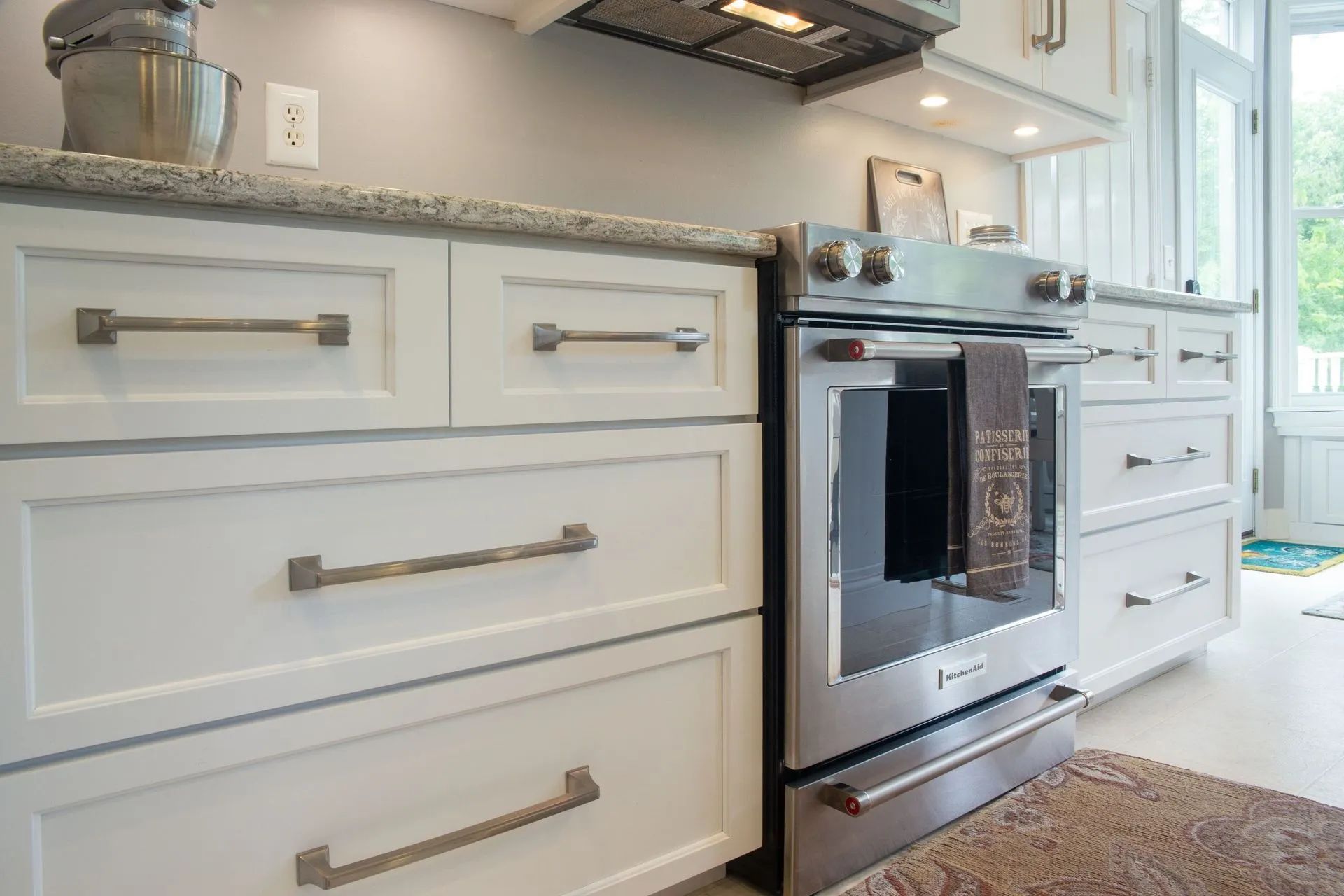
Over time, with regular use, cabinet handles and knobs can become loose. Make it a habit to check them periodically and tighten them as needed. This ensures they function correctly and reduces the risk of damaging the cabinet when opening or closing.
8. Be Mindful of Temperature and Humidity
Extreme temperature and humidity changes can be hard on your cabinets. Try to maintain a consistent environment in your home by using fans, dehumidifiers, or air conditioning, especially during particularly hot or humid days.
In Conclusion
Taking care of your refaced cabinets requires little time or specialized knowledge. By following these simple tips, you can ensure they remain beautiful and functional for many years. Remember, a little care goes a long way in preserving the beauty and longevity of your investment. However, if you need any professional help in such regard, call Classic Cabinets & Remodeling. We at Classic Cabinets & Remodeling are experts in these services.