Shaker vs Raised-Panel Cabinet Doors: Which Style Holds Up Better Over Time?
Quick Answer: Shaker doors generally hold up better over time because their flat, recessed panel has fewer edges and grooves for grease and moisture to collect in, and its simple joinery gives solid wood less room to crack or gap as it moves with the seasons. Raised-panel doors can last just as long structurally, but the carved profile around the panel traps dust and grime in corners that are harder to clean, and the extra detail shows wear sooner in a busy kitchen. The better long-term choice depends less on style preference and more on how much daily cooking, grease, and humidity swing your kitchen actually sees — and on whether the doors are built from solid wood or an engineered panel material.
Open a ten-year-old shaker cabinet door and run your finger along the inset panel. Chances are it's flat and smooth, with a little wear at the edges where hands grab it daily. Now do the same with a ten-year-old raised-panel door in a house down the street. Look closely at the groove where the raised center meets the frame — that's usually where grease has settled first, and where the finish shows its age.
That difference isn't random. It comes straight from how each style is built, and it's the reason two doors made from the same wood, in the same kitchen, can age in completely different ways.
What Each Style Actually Is
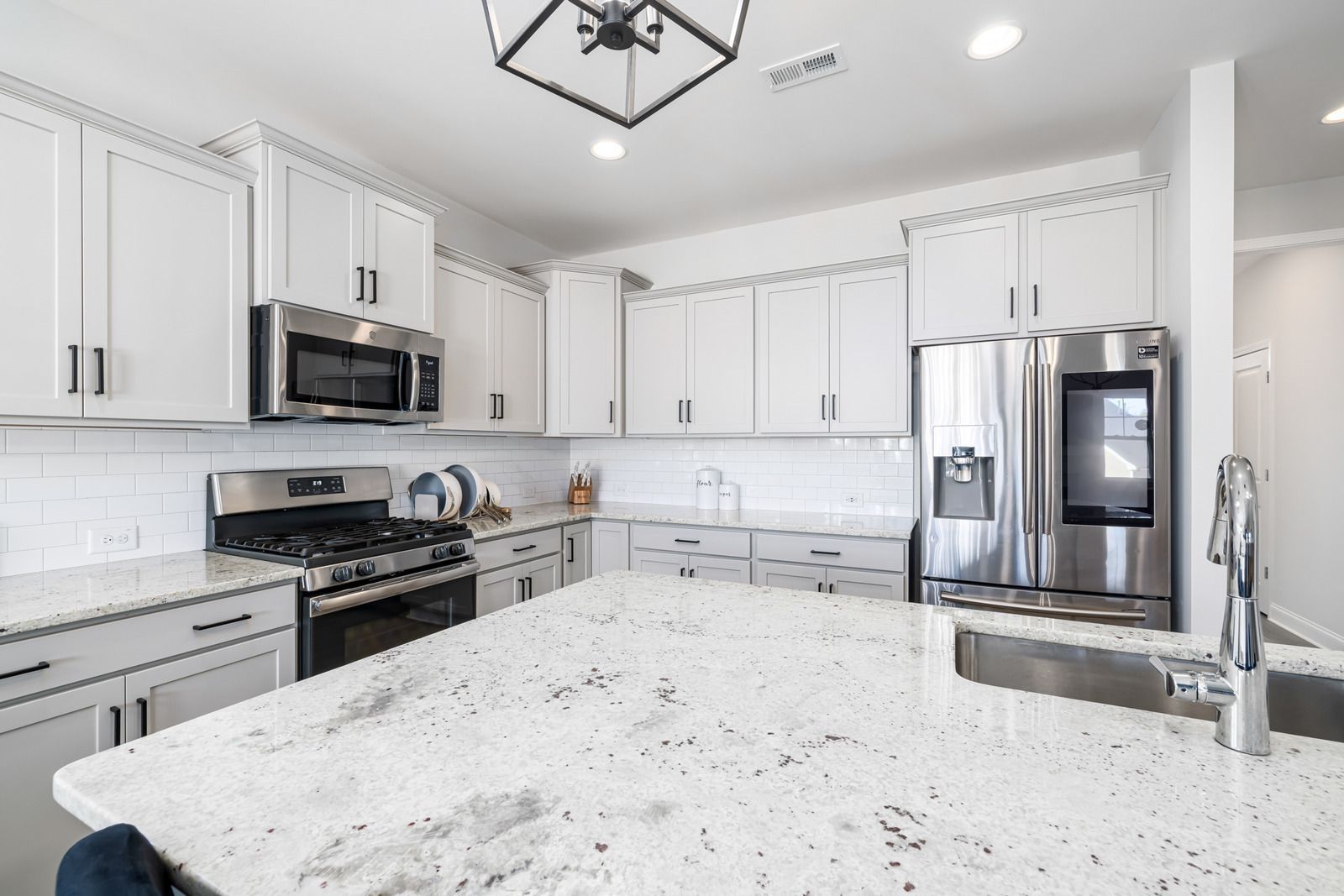
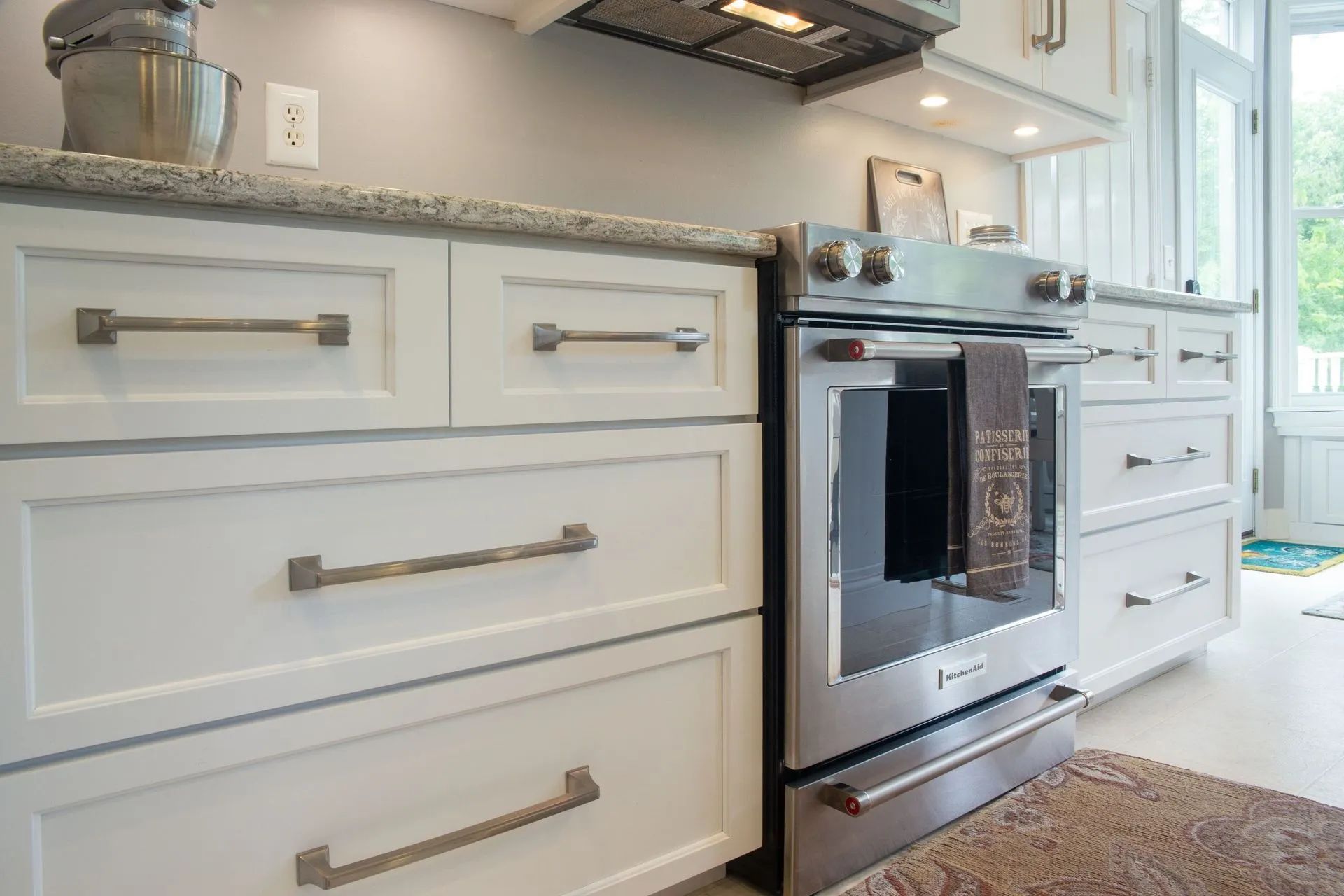
A shaker door is about as simple as cabinet doors get: a flat center panel set into a plain frame, no carving, no bevels, no raised center. The style dates back to 19th-century Shaker furniture makers, who built for function first and stripped away anything decorative. That plainness is exactly what makes it durable — less surface geometry for anything to go wrong with, and fewer places for a finish to fail first.
A
raised-panel door starts from the same frame-and-panel idea, but the center panel is milled with sloped edges that rise toward the middle, sometimes with additional grooves, arches, or a rope-style inlay around the border. It's a more ornate look that's been popular in traditional kitchens since the 1920s. It's also, mechanically, a more complicated piece of wood — more seams, more transitions, more places for movement and grime to concentrate.
Where the Wear Actually Shows Up First
Grease and grime settle into corners and grooves before they settle onto flat surfaces — that's physics, not opinion. A raised-panel door has several of those corners built in: the transition where the raised center meets the sloped edge, and the groove where the panel meets the frame. Wipe down a flat shaker panel and you're done in one pass. Wipe down a raised panel and you're working a rag into three or four separate seams.
Over years of cooking, that difference compounds. A shaker kitchen that gets a normal weekly wipe-down tends to still look clean at year eight or ten. A raised-panel kitchen with the same cleaning routine often shows buildup in the grooves well before the flat surfaces show any wear — and once grease sits in a corner long enough, it darkens the finish underneath it, which no amount of scrubbing fully reverses.
Hardware wear tells a similar story. Both styles use the same hinges and pulls, but scuffing and finger-marking are more forgiving on a shaker door's plain surface than on a raised panel's detailed edges, where small chips and dings catch the light and stand out sooner.
How Wood Movement Affects Each Style Differently
Solid wood expands and contracts with humidity, full stop. It doesn't matter whether the door is shaker or raised-panel. What differs is how much room each design gives that movement to cause visible problems.
A shaker panel is a single flat piece floating in a simple groove inside the frame. As it swells and shrinks with the seasons, it has room to move within that groove without stressing the joinery around it. A raised-panel door asks more of the same wood: the sloped profile has to maintain a consistent, crisp line as it expands and contracts, and the milled detail creates more places where seasonal movement can telegraph as a visible gap, a hairline crack near the raised edge, or a spot where the finish starts to check.
This matters more here than in a milder, humidity-stable climate. Dayton-area kitchens see real swings between a muggy summer and a dry winter, and solid wood doors absorb and release moisture with those swings year after year — cycling that's more forgiving on a flat shaker panel than a raised-panel door with more geometry to maintain.
TIP: If you already have raised-panel doors and want to extend their life, a light coat of quality furniture wax on the panel grooves twice a year makes the buildup easier to wipe away before it darkens the finish.
Solid Wood vs. MDF — a Factor That Matters as Much as the Style
The style question — shaker or raised-panel — is only half the durability picture. The other half is what the panel itself is made from. Solid wood panels move with humidity and can develop hairline cracks over time, especially on raised-panel doors where the milled profile adds stress points. MDF, or medium-density fiberboard, doesn't expand and contract the same way solid wood does, so a painted MDF raised-panel door resists cracking better than a solid wood one — but MDF is far more vulnerable to permanent swelling if water gets into a chip or an unsealed edge, which happens more easily around a sink or dishwasher cabinet.
In practice, the most durable combination for a raised-panel look is often a painted MDF center panel with a solid wood frame, rather than solid wood all the way through. Shaker doors, because their flat panel has fewer stress points to begin with, hold up well in solid wood without needing that engineered compromise.
WARNING: Never let standing water sit against the bottom edge of an MDF raised-panel door — around a sink base cabinet or near a dishwasher, for instance. Once moisture gets past the finish and into the fiberboard core, the swelling is permanent and the panel typically needs to be replaced rather than repaired.
Refinishing and Repair — Which Style Ages More Gracefully
When it's time to refresh a kitchen's look rather than replace it, shaker doors are simpler and less expensive to refinish since there's no carved detail to work paint or stain into evenly. A sprayer or a good brush covers a flat shaker panel in a fraction of the time it takes to work finish coats into every groove of a raised-panel door without leaving drips or uneven buildup in the corners.
Repairs follow the same pattern. A small chip or scratch on a shaker door's flat surface is straightforward to sand, fill, and blend. The same repair on a raised-panel door means matching a profile edge or decorative groove, and that takes more skill to make invisible.
That's one reason
Cabinet Refacing & Installation projects on kitchens with heavily worn raised-panel doors sometimes move toward a shaker profile — not purely for style, but because it's easier to keep looking good with normal upkeep.
Which Style Actually Fits Your Kitchen's Daily Use
Neither style is objectively "better" outside the context of how a kitchen actually gets used. A raised-panel door in a formal, lightly used kitchen can look sharp for decades because it's rarely exposed to heavy grease or steam. The same door in a kitchen that sees daily cooking for a large family will show its grooves and corners far sooner.
Shaker doors are the more forgiving choice for busy kitchens, rental properties, and anyone who wants lower-maintenance daily upkeep. Raised-panel doors still make sense for homeowners who want a more traditional look and are willing to put in the extra cleaning time, or who are pairing the doors with Custom Kitchen Cabinets built specifically to minimize the humidity swings that cause the most visible long-term wear.
Classic Cabinets & Remodeling
has installed and refaced both styles across the Dayton area since 1975, and the pattern on service calls is consistent: shaker doors that are ten or fifteen years old usually still look presentable with basic care, while raised-panel doors of the same age more often need a deeper clean or a full refinish.
Frequently Asked Questions
Are shaker doors always cheaper than raised-panel doors?
Not necessarily on the initial build, since both styles use similar frame-and-panel construction. Shaker doors often work out cheaper over the life of the kitchen because they're faster and less labor-intensive to refinish, repaint, or repair.
Can I mix shaker and raised-panel doors in the same kitchen?
It's uncommon and generally not recommended for a cohesive look, since the two profiles read very differently side by side. Most kitchens use one door style consistently and vary the look instead through hardware and cabinet color.
Do raised-panel doors trap more dust than shaker doors?
Yes. The grooves and beveled transitions on a raised-panel door collect dust and airborne grease more readily than a flat shaker surface, which is one reason raised-panel kitchens typically need more frequent detailed cleaning to look their best.
Is MDF a bad choice for cabinet doors?
Not inherently — painted MDF resists the cracking and warping that solid wood can develop with humidity changes, and it holds paint very evenly. Its weakness is moisture exposure at chips or unsealed edges, which can cause permanent swelling that solid wood is less prone to.
Does climate really make a measurable difference in door durability?
Yes. Kitchens in regions with wide humidity swings between seasons put more stress on solid wood panels than kitchens in more climate-stable regions, and that stress shows up first and most visibly on raised-panel doors because of their added surface detail.
Cabinet Door Styles Built for Lasting Performance
Shaker and raised-panel cabinet doors can both last for decades, but the right choice depends on daily use, cleaning habits, moisture, and the overall character you want for your kitchen. Shaker doors offer simpler upkeep and tend to hide everyday wear more effectively, while raised-panel doors provide traditional detail that benefits from more attentive care. Choosing quality materials, durable finishes, and proper construction ultimately matters just as much as selecting the cabinet door profile itself.
For homeowners throughout Kettering, Oakwood, and Greater Dayton, understanding these differences can make long-term cabinet decisions easier. With 45
years of experience, Classic Cabinets & Remodeling
understands how different door styles, materials, and finishes respond to regular cooking, seasonal humidity, and everyday handling. Whether you prefer the clean simplicity of shaker cabinetry or the detailed character of raised panels, thoughtful material selection and consistent maintenance can help your cabinets remain attractive, functional, and dependable for many years.