Granite Countertop Installation Guide: Costs, Timeline, and Maintenance Tips
Granite countertops remain one of the most requested upgrades in modern kitchens and bathrooms because of their durability, natural appearance, and long-term value. Homeowners continue choosing granite for remodeling projects because the material withstands heavy daily use while adding a refined finish to residential spaces. With increasing interest in custom home improvements, many property owners want a better understanding of granite countertop installation costs, project timelines, and maintenance expectations before starting a renovation. A successful installation requires more than selecting a slab. Planning, measurements, fabrication, edge profiles, and long-term care all influence the final outcome and overall investment.
Understanding the complete installation process helps homeowners avoid delays, budgeting mistakes, and maintenance problems after the countertops are installed. Granite offers excellent resistance to heat, scratches, and wear, but proper sealing and care still play an important role in preserving the surface over time. Learning how professionals approach fabrication and installation gives homeowners realistic expectations before work begins. This guide explains the essential stages of granite countertop installation while covering costs, timelines, maintenance practices, and practical insights that help property owners make informed remodeling decisions.
Understanding Granite Countertop Installation
Why Granite Continues to Lead Remodeling Projects
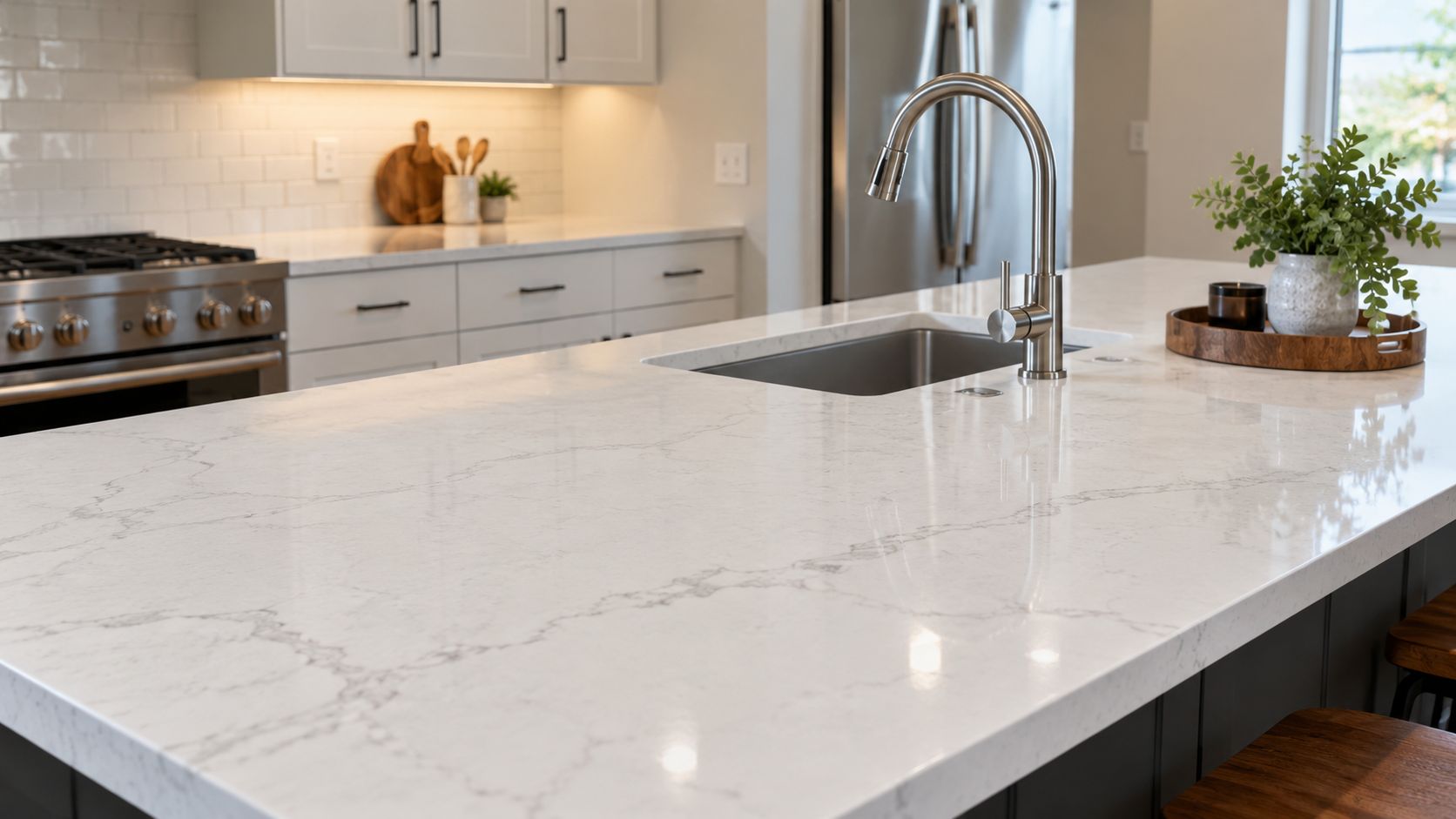
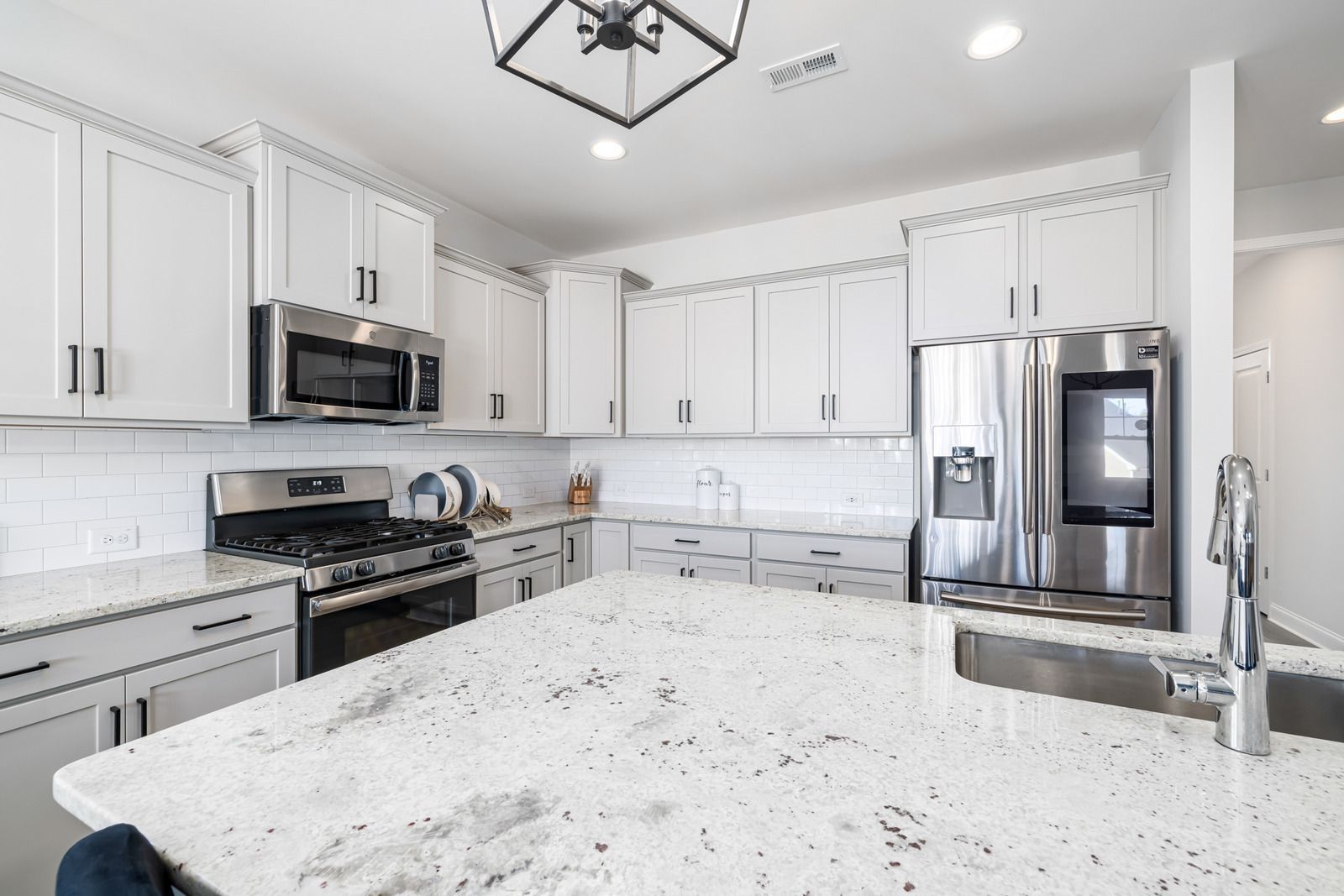
Granite remains one of the most dependable countertop materials because of its strength, natural beauty, and wide design variety. Every slab features unique mineral patterns and color movement, giving kitchens and bathrooms a customized appearance that manufactured surfaces often cannot replicate. Homeowners frequently select granite when looking for a balance between durability and visual appeal.
Natural stone countertops also support long-term property value. Many buyers associate granite with premium construction and lasting quality. In high-traffic homes, granite performs well against daily cooking activities, hot cookware, and heavy use. When properly maintained, granite countertops can remain in excellent condition for decades without requiring major repairs or replacement.
What Happens During the Installation Process
Granite countertop installation involves several detailed stages that require planning and precision. The process usually begins with an in-home consultation and measurement appointment. Contractors evaluate cabinet stability, layout dimensions, sink placement, and overall project requirements before fabrication begins.
After measurements are completed, the chosen granite slab moves into fabrication. Professionals cut the slab according to kitchen dimensions while creating openings for sinks, cooktops, and fixtures. Edge profiles are shaped during this stage as well. Once fabrication is complete, installers transport the finished sections carefully to the property for final placement and installation.
Adhesives, leveling adjustments, and seam alignment are completed on-site before sealing the stone surface. Final inspections ensure the countertops sit properly and all edges align correctly with cabinets and walls.
Granite Countertop Costs and Budget Considerations
Average Granite Installation Pricing
Granite countertop pricing depends on several factors, including slab quality, kitchen size, edge details, and customization requirements. Entry-level granite often costs less than exotic or premium slabs that feature rare color patterns and imported materials. Installation labor, sink cutouts, backsplash additions, and old countertop removal also affect the final investment.
Most homeowners should prepare for expenses related to:
- Material selection
- Fabrication work
- Edge profile customization
- Sink and appliance cutouts
- Delivery and transportation
- Installation labor
- Sealing and finishing
Larger kitchens naturally require more square footage, increasing both material and labor expenses. Complex layouts with islands, curves, or multiple seams may also raise installation costs due to additional fabrication time.
Factors That Influence Granite Pricing
The origin and rarity of the granite slab significantly influence pricing. Common granite colors are generally easier to source, while rare patterns or imported slabs may cost substantially more. Thickness also impacts pricing because thicker slabs require additional material and fabrication labor.
Edge profiles represent another important cost factor. Standard eased edges are typically more affordable than decorative edges such as ogee or waterfall profiles. Homeowners often overlook the impact custom edges can have on the total project budget.
Transportation expenses may also increase costs for oversized slabs or properties located far from fabrication facilities. In some projects, structural cabinet reinforcement may be necessary to support heavier granite sections.
Balancing Budget and Long-Term Value
Although granite countertops may involve a larger upfront investment than laminate or tile surfaces, many homeowners consider the long-term value worthwhile. Granite’s durability reduces the likelihood of premature replacement, while its timeless appearance supports resale appeal.
Choosing mid-range granite instead of highly exotic slabs can help homeowners stay within budget while still achieving an upscale appearance. Working with experienced installers also reduces the risk of measurement errors, fabrication issues, or installation damage that could increase expenses later.
Timeline for Granite Countertop Installation
Initial Consultation and Material Selection
The first stage of a granite countertop project usually involves design discussions, slab selection, and measurement scheduling. Depending on supplier inventory and homeowner availability, this phase may take several days or longer.
During slab selection, homeowners evaluate color consistency, veining patterns, and finish options. Contractors also confirm project dimensions and identify any structural concerns affecting cabinet support or layout compatibility.
Fabrication and Preparation Timeline
Fabrication generally requires one to two weeks after measurements are finalized. This stage includes cutting the slab, shaping edges, polishing surfaces, and creating openings for sinks or appliances. Precision remains critical because fabrication errors can delay installation and increase material waste.
Projects involving multiple slabs or intricate designs may require additional fabrication time. Coordinating appliance delivery and plumbing schedules also helps avoid unnecessary delays during installation week.
Installation Day Expectations
Actual granite countertop installation usually occurs within one or two days depending on project size and complexity. Installers remove old countertops, prepare surfaces, position granite sections, align seams, and secure the slabs carefully.
After installation, sealant application and adhesive curing may require additional waiting periods before countertops can handle heavy use. Homeowners should also schedule plumbing reconnections after installation is complete because sinks and fixtures often need temporary removal.
Common Causes of Installation Delays
Several issues can extend project timelines, including:
- Cabinet leveling problems
- Delayed slab shipments
- Measurement inaccuracies
- Appliance compatibility concerns
- Structural reinforcement needs
- Weather-related transportation delays
Maintaining clear communication throughout the project helps reduce misunderstandings and scheduling conflicts. Experienced contractors typically identify potential complications early during the planning stage.
Granite Countertop Maintenance and Daily Care
Cleaning Granite Countertops Properly
Routine cleaning plays a major role in preserving granite surfaces. Mild soap, warm water, and soft microfiber cloths are usually sufficient for daily cleaning. Harsh chemical cleaners may weaken sealants or dull the natural finish over time.
Acidic substances such as vinegar, lemon juice, or bleach should remain away from granite surfaces because prolonged exposure may affect the stone’s protective seal. Homeowners should also avoid abrasive scrubbing pads that could damage polished finishes.
Quick cleanup of spills helps reduce staining risks. Although granite resists many common kitchen substances, oils, wine, coffee, and acidic liquids can penetrate unsealed or poorly maintained surfaces.
Understanding Granite Sealing Requirements
Granite countertops require periodic sealing to help resist moisture absorption and staining. Sealing frequency depends on the granite type, usage level, and manufacturer recommendations. Some dense granite varieties require less frequent sealing than lighter or more porous stones.
A simple water test often helps determine whether resealing is necessary. If water absorbs into the surface quickly instead of beading, the countertop may require a fresh sealant application.
Professional sealing services help ensure full surface coverage and proper product application. Homeowners who attempt sealing independently should follow product instructions carefully to avoid uneven protection.
Preventing Long-Term Surface Damage
Although granite is highly durable, preventative care still matters. Using cutting boards protects knives and reduces unnecessary surface wear. Trivets or hot pads help minimize thermal stress from extremely hot cookware.
Heavy impacts near corners or edges may cause chips, especially around sink cutouts or unsupported overhangs. Avoiding excessive pressure in vulnerable areas helps preserve the stone’s structural integrity.
Proper cabinet support also contributes to long-term countertop performance. Shifting cabinets or foundation movement can place stress on granite seams and create cracking risks over time.
Choosing the Right Granite Installation Professionals
Importance of Professional Measurements
Accurate measurements determine the success of the entire project. Even small dimensional errors can create alignment problems during installation. Professional templating ensures sink cutouts, seams, and wall connections fit properly before fabrication begins.
Experienced contractors also evaluate cabinet condition and support capacity before installation. This step helps identify hidden structural concerns that may affect granite stability after placement.
Questions Homeowners Should Ask Contractors
Before hiring a granite countertop installer, homeowners should ask important questions regarding:
- Installation experience
- Licensing and insurance
- Fabrication process
- Sealing methods
- Warranty coverage
- Timeline expectations
- Slab sourcing practices
Reviewing previous project photos and customer feedback also helps evaluate workmanship quality. Reliable professionals communicate clearly about project schedules, pricing, and maintenance expectations.
Established Granite Countertop Professionals For Modern Home Renovations
Granite countertop installation involves far more than selecting an attractive slab. Material quality, fabrication precision, professional measurements, proper sealing, and ongoing maintenance all contribute to the long-term success of the project. Homeowners who understand installation timelines, budget considerations, and maintenance requirements are better prepared to make informed remodeling decisions that support both function and appearance. Choosing experienced professionals also helps reduce costly delays, measurement errors, and installation problems that may affect countertop performance later.
At Classic Cabinets & Remodeling
in Oakwood, we bring 45
years of remodeling experience to every granite countertop project we complete. We understand how important precision, craftsmanship, and reliable service are when upgrading kitchens and bathrooms with natural stone surfaces. Our approach focuses on helping homeowners select durable granite options that align with both design preferences and long-term practical needs. Our experience allows us to handle detailed layouts, customized edge profiles, and complex remodeling requirements with confidence.