Smart Bathroom Storage Ideas to Reduce Clutter and Improve Daily Routines
A cluttered bathroom is one of the most common frustrations in any home. Despite being one of the smaller rooms in the house, the bathroom carries a surprisingly heavy load. Toiletries, towels, medicines, cleaning supplies, and grooming tools all compete for limited surface space, and without a structured storage plan, the morning routine quickly becomes more stressful than it needs to be. The problem is not always a lack of space. More often, it is a lack of the right storage.
Smart bathroom storage is not just about buying organizers or adding a few shelves. It is about understanding how you use the space, what you reach for daily, and where every item logically belongs. When storage is designed around real habits and routines, the bathroom becomes a more functional and calming space. Whether you are working with a compact powder room or a spacious master bath, the right storage solutions make a meaningful difference in how the room looks and how smoothly your day begins.
Why Storage Planning Matters More Than Square Footage
Many homeowners assume that a larger bathroom automatically solves storage problems. In practice, size matters far less than layout and intentional design. A well-organized smaller bathroom outperforms a poorly planned larger one every time.
Bathroom clutter builds up gradually. A product here, a spare roll of towels there, and before long every surface is covered. The real issue is that most bathrooms are designed with minimal built-in storage, leaving homeowners to improvise with freestanding solutions that do not always suit the space.
The goal of smart storage is to create a place for everything without making the room feel cramped or visually chaotic. That balance comes from choosing storage that works with the room's architecture rather than against it.
Vertical Space Is Your Most Underused Asset
Using Walls from Floor to Ceiling
Most bathroom storage sits at counter level or below, which means a significant portion of vertical wall space goes completely unused. Installing shelving above the toilet, beside the mirror, or along an empty wall section dramatically increases storage without touching the floor plan.
Tall linen cabinets are particularly useful in bathrooms where closet space is limited. These units can hold folded towels, backup toiletries, and seasonal items while keeping the floor clear. When mounted directly to the wall rather than sitting on the floor, they also make cleaning easier.
Recessed Niches and Built-In Shelving
Recessed wall niches, built between studs in the shower or above the bathtub, provide storage that sits flush with the wall. There is no protruding shelf to navigate around, and items remain within easy reach without cluttering the ledge or floor.
Built-in shelving alongside a vanity mirror or within an alcove gives the bathroom a custom, finished appearance that freestanding pieces rarely achieve. When shelves are installed at varying heights, they can accommodate products of different sizes without wasted space between rows.
Vanity Storage That Works Harder
Maximizing Cabinet Interior
The area under the sink is often one of the most disorganized spots in the entire bathroom. Pipes interrupt the space, and without internal organization, items pile up and get lost at the back of the cabinet.
Pull-out drawer inserts, stackable bins, and door-mounted organizers transform the interior of a vanity cabinet into a structured system. Grouping items by category, such as keeping all hair tools together and all skincare in one section, reduces the time spent searching for what you need.
Drawer Dividers and Dedicated Zones
Bathroom drawers benefit enormously from dividers. Without them, small items shift around and mix together, making drawers difficult to use. A divided drawer with designated zones for makeup, razors, cotton pads, and hair accessories keeps everything visible and retrievable in seconds.
Consider organizing drawers by frequency of use. Items needed every morning belong in the most accessible drawer. Products used occasionally can go further back or higher up, freeing prime real estate for daily essentials.
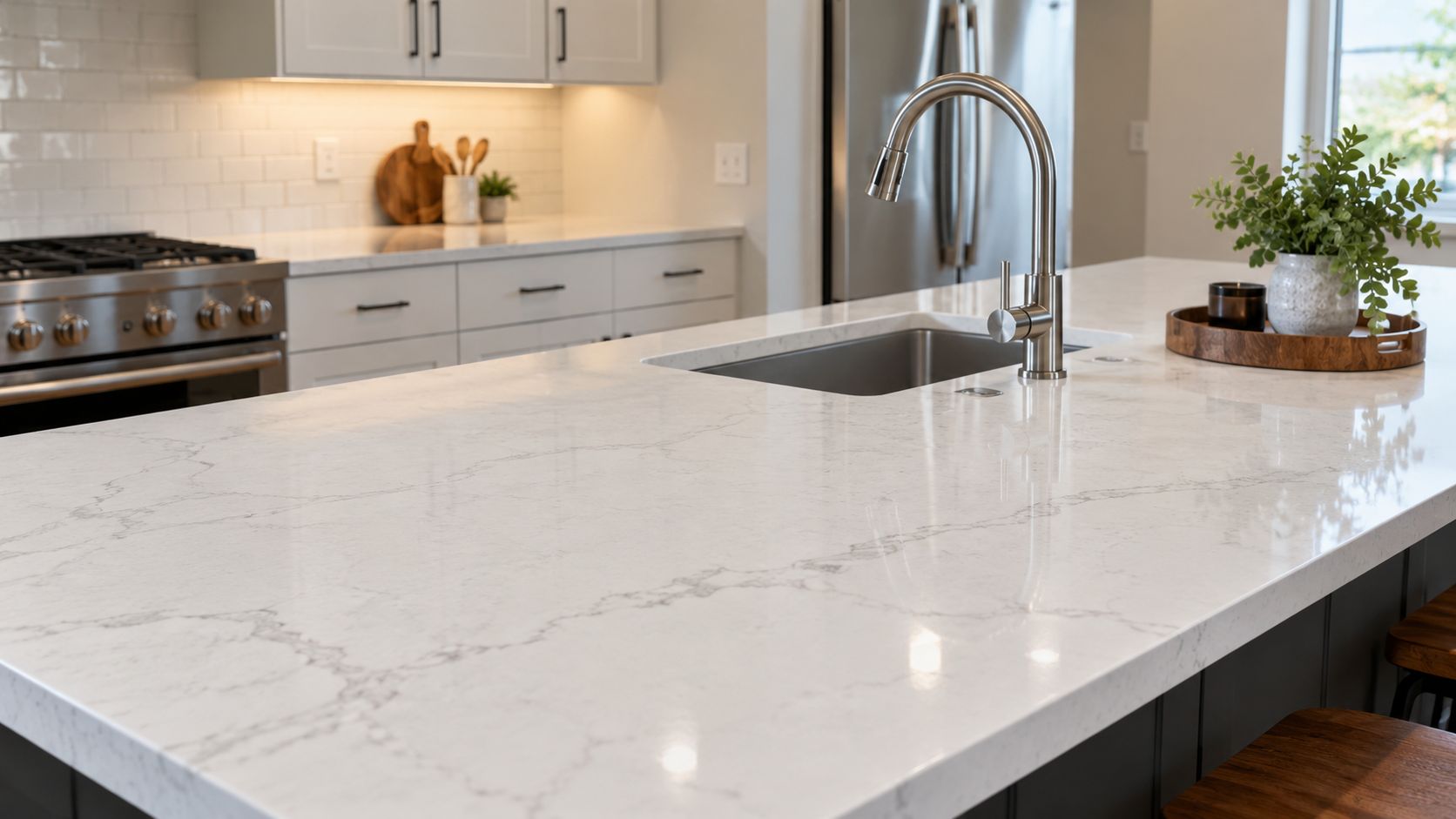
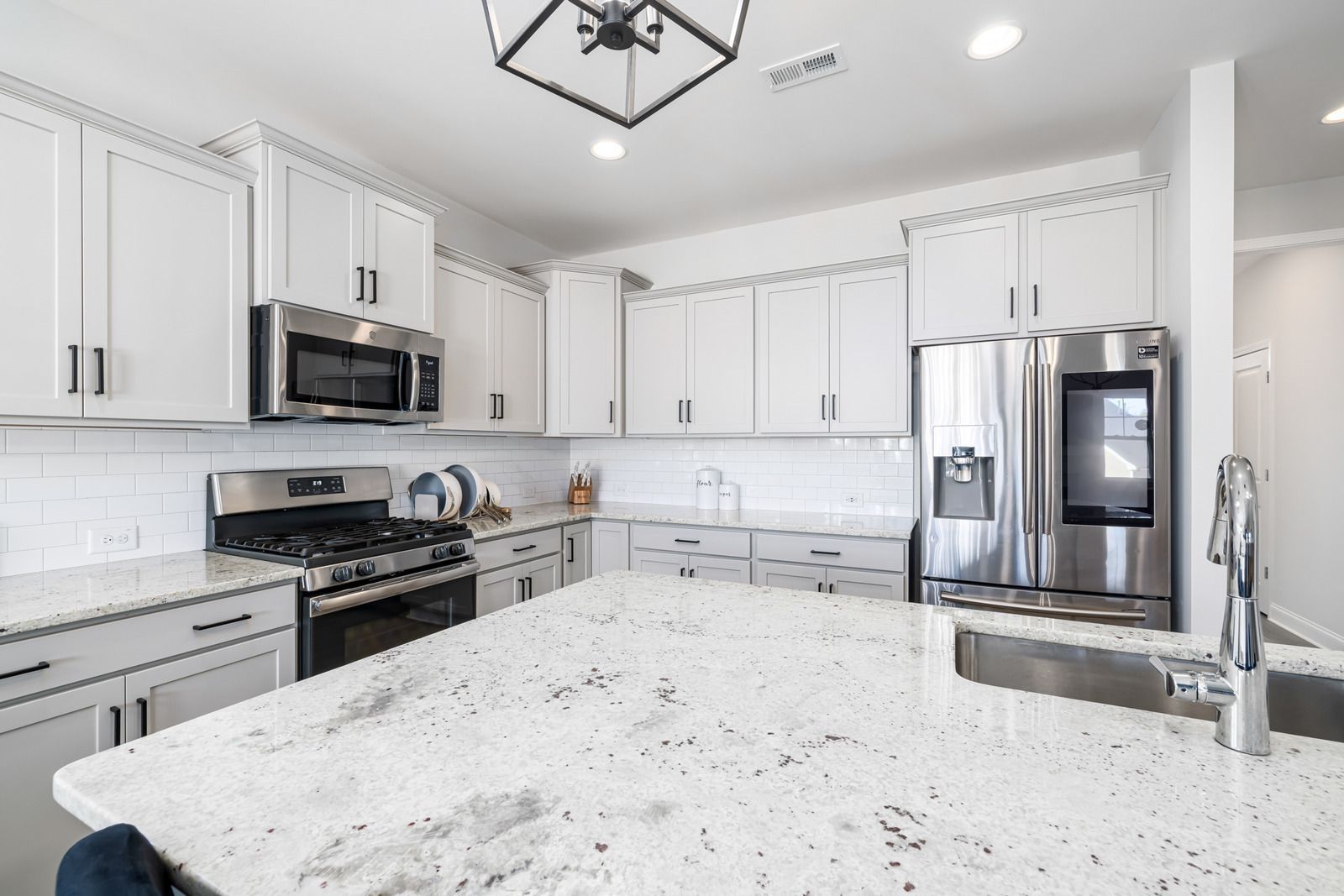
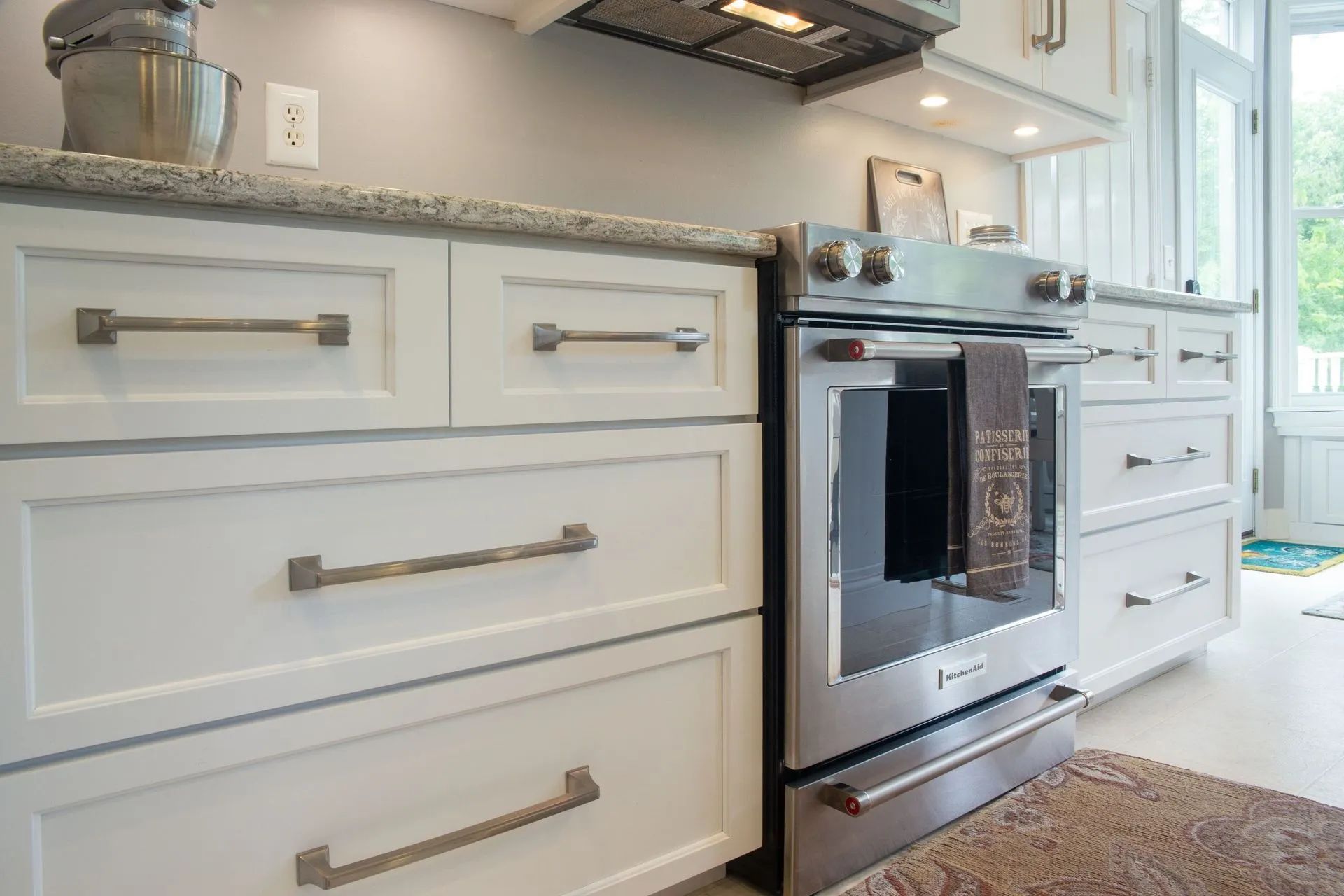
Granite Countertop Maintenance and Daily Care
- Over-Door and Behind-Door Storage:- In tight spaces, the back of the bathroom door is a valuable and often overlooked surface. Over-door organizers with pockets or hooks can hold hair tools, cleaning supplies, spare toiletries, and even rolled towels. This type of storage adds function without consuming any floor or wall space.
- Corner Shelving and Tiered Caddies:- Corners are another underutilized zone in small bathrooms. Corner shelving units, whether tension-mounted in the shower or wall-mounted in the room itself, make use of a space that typically holds nothing at all.
Tiered caddies that hang from the showerhead provide multiple levels of storage for shampoo, conditioner, body wash, and razors. They keep everything off the ledge and within reach without requiring any installation.
- Compact Floating Vanities:- A floating vanity creates the visual impression of more floor space, making a small bathroom feel less closed in. Beneath a floating unit, small baskets or a rolling cart can provide additional storage while remaining easy to remove for cleaning.
- Bathroom Storage by Product Category:- Organizing by category rather than by available space is one of the most practical approaches to bathroom storage. The table below outlines common bathroom product categories and recommended storage solutions for each.
| Product Category | Recommended Storage Solution |
|---|---|
| Daily skincare and grooming | Divided drawer or counter organizer |
| Towels and washcloths | Wall-mounted hooks, ladder rack, or linen cabinet |
| Hair tools and cords | Drawer with tool holders or mounted pouches |
| Cleaning products | Under-sink pull-out bin or locked cabinet |
| Medications | Recessed medicine cabinet or high shelf |
| Spare toiletries and backups | Top shelf of linen closet or labeled bins |
| Shower products | Built-in niche or tiered caddy |
Approaching storage this way prevents the habit of placing items wherever there happens to be space. When every category has a home, restoring order after use takes seconds rather than effort.
Reducing Visual Clutter Without Sacrificing Access
Closed Storage vs. Open Shelving
Open shelving in a bathroom looks appealing in design photos, but it requires discipline to maintain. Every item on an open shelf is visible, which means mismatched products and clutter read immediately. Closed cabinets hide what does not need to be seen, creating a cleaner appearance with less ongoing maintenance.
A practical middle ground is to use open shelving for intentional displays, such as neatly folded towels or a small plant, while keeping everyday products behind cabinet doors. This approach gives the room visual interest without sacrificing organization.
Consistent Containers and Labeling
One of the simplest ways to reduce visual clutter is to decant products into matching containers. Pump dispensers for soap, shampoo, and lotion create uniformity on the counter or in the shower. Labeled bins and baskets inside cabinets make it clear where items belong, which also helps other household members maintain the system.
Labeling is particularly useful for shared bathrooms where multiple people store products in the same space. Clear labels remove the guesswork and reduce the chances of items migrating to the wrong spot.
Trusted Craftsmanship Behind Every Bathroom We Transform
A well-organized bathroom does not happen by accident. It comes from deliberate decisions about where things live, how space is used from floor to ceiling, and which storage formats suit your actual habits. Vertical shelving, built-in niches, organized vanity interiors, and category-based systems each play a role in turning a congested room into one that supports a smoother daily routine. The size of the bathroom matters far less than the quality of thought put into how it is arranged.
When bathroom storage is done right, the morning rush becomes less rushed. Items are where you expect them, surfaces stay clear between uses, and the room itself feels like a space that works in your favor rather than against you. These are not minor improvements. Over time, they add real ease and order to everyday life.
At Classic Cabinets & Remodeling, we bring five decades of hands-on experience to every bathroom project we take on. Based in Oakwood, we have spent 45
years helping homeowners reimagine their spaces with cabinet solutions and custom remodeling work that is built to last. We
design and install bathroom storage
that integrates naturally into the room, from custom vanities and built-in cabinetry to full bathroom remodels that transform how the space functions. When you work with us, you get a team that understands both the craft and the practical realities of daily home life. Our work reflects the kind of attention and care that only comes from genuine experience in the trade.
FAQs
1. What is the most practical storage solution for a bathroom with no linen closet?
A tall wall-mounted cabinet beside or above the toilet is among the most practical options. It provides the same function as a linen closet, storing towels, spare toiletries, and cleaning supplies, within the existing room footprint.
2. How do I keep a shared bathroom organized when multiple people use it?
Assign each person a dedicated drawer, shelf, or labeled bin. When everyone has a defined space for their products, items are far less likely to spread across shared surfaces and the room is easier to reset.
3. Are built-in storage solutions worth the investment compared to freestanding organizers?
Built-in solutions, such as recessed niches, custom vanities, and wall-mounted cabinetry, offer a level of durability and integration that freestanding pieces cannot match. They also tend to maximize space more precisely because they are designed for the specific room.
4. What is the best way to organize under the bathroom sink?
Start by removing everything and categorizing items by use. Install a pull-out drawer organizer, add door-mounted bins, and use stackable containers for items that do not need to be accessed daily. Keep plumbing access clear and group everything else around it.
5. How can I make a small bathroom feel less cluttered without a major remodel?
Remove anything from the counter that is not used daily. Add over-door storage, use a tiered shower caddy, and replace bulky product bottles with sleek dispensers. Small changes to visible surfaces make a significant difference in how spacious and calm the room feels.