The Ultimate Guide to Planning a Kitchen Cabinet Renovation
A kitchen renovation is one of the most transformative home improvement projects, influencing both aesthetics and functionality. Among the various elements involved, cabinets serve as the backbone of the kitchen, affecting storage efficiency, workflow, and overall design cohesion. Whether updating outdated cabinetry or planning a full remodel, a thorough understanding of cabinet renovation is essential for achieving optimal results. Each decision—from materials and styles to layout and hardware—can have a significant impact on both the daily usability and long-term value of your kitchen. Without careful planning, homeowners risk unexpected expenses, delays, or subpar outcomes that fail to meet expectations.
Beyond functionality, kitchen cabinets significantly contribute to a home’s visual appeal and resale value. Modern homeowners increasingly prioritize solutions that blend style with smart storage, durability, and sustainable materials. A well-executed renovation integrates ergonomic layouts, innovative storage options, and design features tailored to individual lifestyles. This comprehensive guide offers actionable insights for planning a kitchen cabinet renovation. From assessing your needs and setting goals to selecting materials, optimizing layouts, managing budgets, hiring professionals, and incorporating sustainable practices, you’ll gain the expertise to navigate every step confidently, ensuring a successful, visually appealing, and functional kitchen renovation.
1. Assessing Your Needs and Setting Goals
Understanding Your Kitchen Workflow
Before choosing cabinets, evaluate how your kitchen functions daily. Consider the “kitchen work triangle,” which optimizes movement between the stove, sink, and refrigerator. Identify storage gaps, frequently accessed items, and areas where organization can improve. For example, relocating pots and pans closer to the stove or installing pull-out pantry drawers can significantly reduce clutter and enhance workflow.
Determining Your Renovation Goals
Clarify whether your primary goal is increased storage, updated aesthetics, or long-term durability. Establishing clear objectives guides decisions on cabinet style, materials, and hardware. For instance, glass-front cabinets may suit display needs while pull-out drawers ensure heavy cookware remains accessible. Prioritizing functional goals alongside visual appeal prevents costly redesigns later.
Budgeting Considerations
Cabinet renovations vary in cost depending on material, customization, and labor. Research average prices for stock, semi-custom, and custom cabinetry to set a realistic budget. Factor in installation, hardware, and adjustments like relocating plumbing or electrical components. Allocating a 10–15% contingency prepares you for unexpected expenses without disrupting the project.
2. Choosing the Right Cabinet Style and Material
Popular Cabinet Styles
Cabinet style defines the kitchen’s visual identity. Common styles include:
- Shaker Cabinets: Simple, recessed panels that suit traditional and modern designs.
- Flat-Panel (Slab) Cabinets: Minimalist, contemporary look with clean lines.
- Inset Cabinets:
Doors fit within the frame, offering a high-end, classic appearance.
- Glass-Front Cabinets: Provide display opportunities while creating a sense of openness.
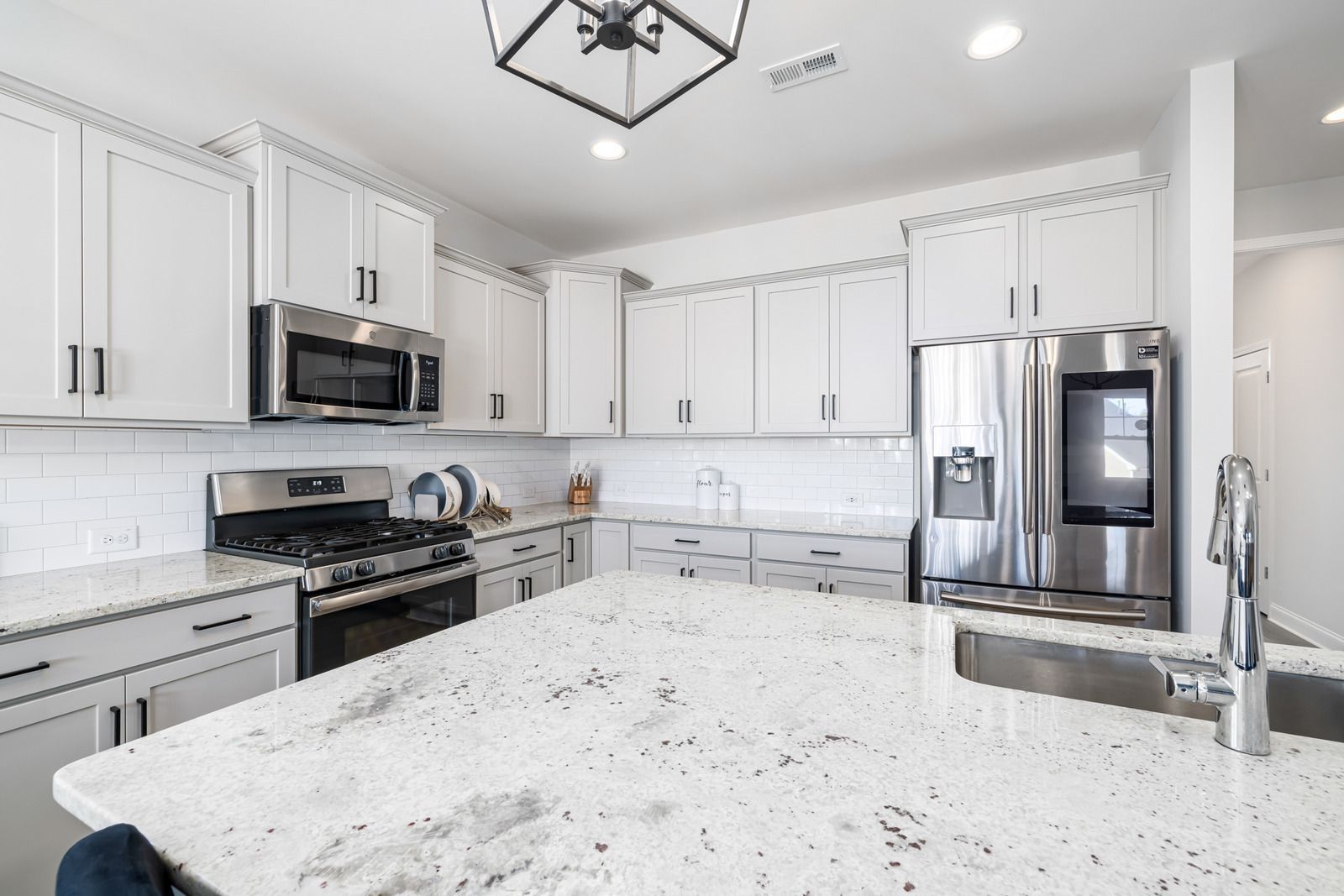
Ensure the chosen style complements countertops, backsplash, and flooring for a cohesive design.
Material Selection and Durability
Cabinet materials impact longevity, maintenance, and cost:
- Solid Wood: Long-lasting, refinishable, but higher cost.
- Plywood: Strong and stable; ideal for cabinet boxes and shelving.
- MDF (Medium-Density Fiberboard): Smooth, cost-effective finish; less moisture-resistant.
- Particleboard: Affordable but less durable; suitable for light-use areas.
Consider kitchen usage, humidity exposure, and desired lifespan. Families with children, for example, may prioritize durable plywood and protective finishes to withstand heavy use.
Finishes and Hardware
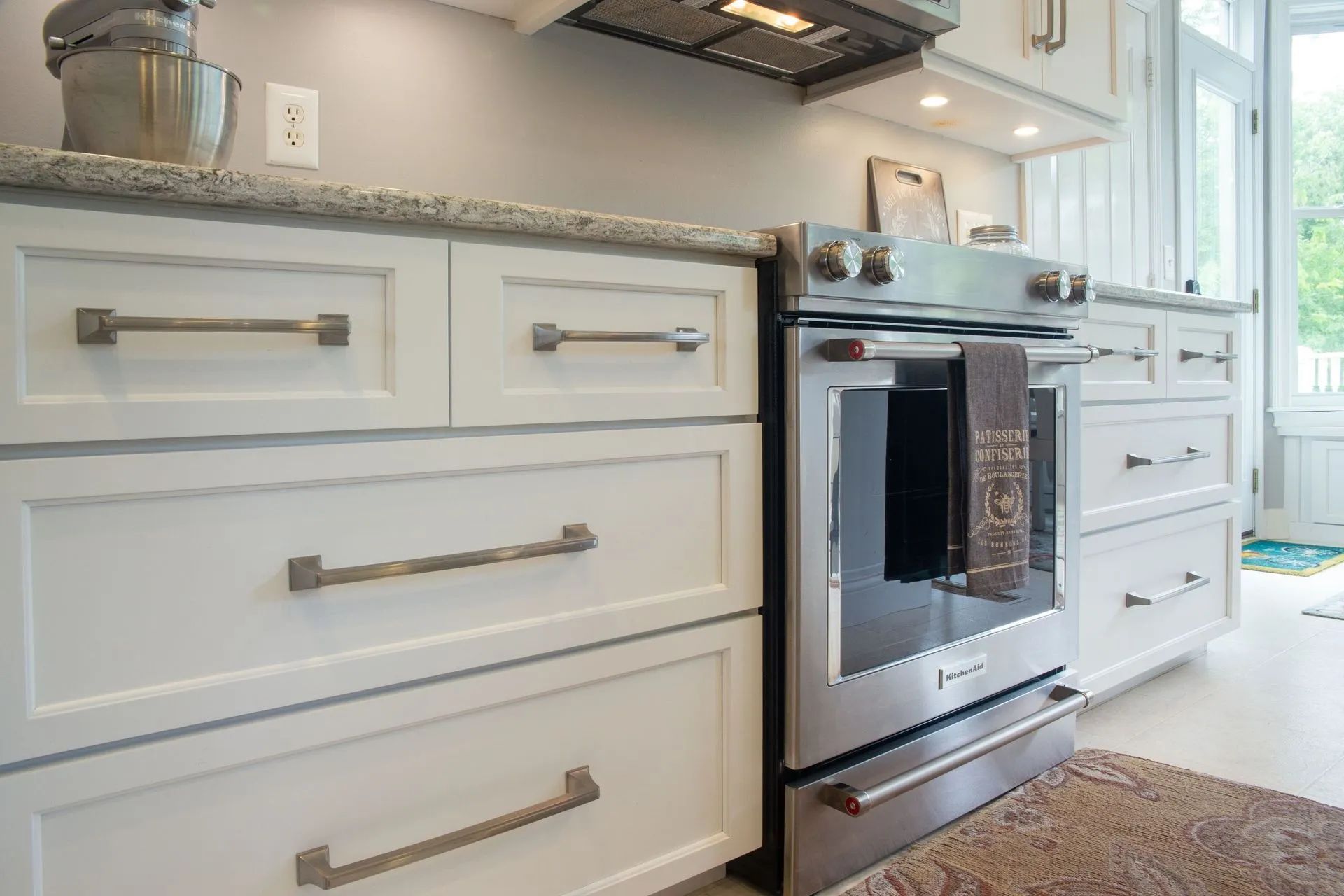
Finishes affect both appearance and maintenance. Choose from painted, stained, or laminated surfaces. Hardware—handles, knobs, and soft-close hinges—enhances function and style. Opt for durable hardware that complements the cabinet design and supports frequent use.
3. Layout Planning and Space Optimization
Maximizing Storage Efficiency
Efficient storage enhances both usability and overall kitchen aesthetics. Incorporate pull-out shelves, lazy Susans, vertical dividers, and deep drawers for pots, pans, and frequently used cookware. Corner spaces can utilize rotating shelves or pull-out trays, while pantry-style cabinets consolidate storage without expanding the kitchen footprint unnecessarily. Proper organization allows you to maximize available space and maintain a clean, functional environment.
Cabinet Height and Depth Considerations
Standard upper cabinets typically measure 30–42 inches tall; base cabinets are usually 24–36 inches deep. Adjusting cabinet heights improves ergonomics and allows proper accommodation for larger appliances. Taller upper cabinets provide additional storage without overcrowding countertops or creating visual clutter in the kitchen. Proper depth planning ensures sufficient workspace and comfortable kitchen movement for all household members.
Integrating Appliances and Accessories
Built-in appliances help create a seamless, modern kitchen appearance. Plan cabinet dimensions carefully to fit microwaves, ovens, and dishwashers, ensuring proper ventilation and clearance. Incorporate pull-out trash bins, spice racks, and drawer organizers for enhanced functionality and efficient daily use. Well-integrated accessories improve convenience and reduce clutter while maintaining a polished, cohesive design.
4. Budgeting, Cost Management, and Timeline
Cost Factors in Cabinet Renovation
Expenses vary widely depending on cabinet type, material, labor, and level of customization. Stock cabinets are generally the most affordable, while custom cabinets may cost double or even triple. Additional factors include removing existing cabinets, adjusting plumbing or electrical systems, and managing complex installation requirements that can increase overall project expenses. Understanding all cost elements helps avoid unexpected financial surprises during renovation.
Managing Renovation Costs
Prioritize essential features over purely aesthetic upgrades to control costs effectively. For example, invest in solid wood doors while using plywood cabinet boxes for the internal structure. Obtain multiple quotes from reputable contractors, compare labor and material costs, and include a contingency budget to cover unforeseen issues like hidden water damage or wall repairs. Careful cost management ensures the renovation stays on track.
Planning a Realistic Timeline
Cabinet renovations typically span 4–8 weeks depending on complexity and customization. Semi-custom cabinets may take 4–6 weeks for fabrication, while fully custom designs can require 6–8 weeks or longer. Coordinate appliance delivery, countertop installation, painting, and finishing touches to prevent delays and streamline workflow. Planning the timeline realistically avoids unnecessary stress and ensures project milestones are met.
5. Hiring Professionals vs. DIY
When to Hire Experts
Professional installers guarantee precise measurements, correct alignment, and secure cabinet installation. Mistakes such as misaligned doors or improperly installed hinges can lead to costly long-term issues. Experts also bring specialized tools and experience, helping to prevent errors that are difficult or expensive to fix. Hiring skilled professionals ensures high-quality results and a smooth installation process.
DIY Considerations
DIY cabinet installation can save money but requires experience, proper tools, and adequate time. Stock or modular cabinets are generally easier to handle for most homeowners, while fully custom designs often require professional expertise. Ensure you have sufficient helpers, follow precise measurements, and possess the necessary skills to avoid costly mistakes or safety hazards during installation.
Collaboration and Communication
Clear documentation and frequent communication are essential when working with professionals or DIY projects. Maintain a detailed renovation plan, reference material samples, and double-check measurements before installation begins. Regular check-ins with contractors or team members prevent miscommunication, help resolve issues quickly, and ensure the project aligns with your design and functional goals.
6. Maintenance and Longevity
Cleaning and Care Tips
Regular cleaning using mild detergents and non-abrasive cloths prevents surface damage over time. Avoid excessive moisture exposure and immediately address spills or stains to protect cabinet finishes. Periodically inspect hinges, drawer slides, and hardware to ensure smooth operation and prevent minor issues from escalating into costly repairs. Proper care extends cabinet lifespan significantly.
Anticipating Wear and Tear
High-traffic kitchens experience accelerated wear on edges, drawers, and cabinet hardware. Families may benefit from soft-close hinges, reinforced drawer bottoms, and water-resistant finishes to prolong durability. Planning for frequent use ensures cabinets remain functional and visually appealing for years. Anticipating wear also allows you to implement upgrades that reduce long-term maintenance needs.
Upgrades for Longevity
Consider adjustable shelving, modular inserts, and reinforced cabinet doors for greater durability and future adaptability. Implementing these upgrades allows future renovations or reorganizations without extensive reconstruction. Ensuring flexibility in design and structure improves both usability and long-term performance of kitchen cabinets. Thoughtful upgrades maximize the investment in your renovation.
7. Incorporating Sustainable and Eco-Friendly Cabinet Options
Choosing Environmentally Friendly Materials
Select eco-conscious materials like FSC-certified wood, bamboo, recycled MDF, or low-VOC plywood. These choices provide durability while reducing environmental impact during manufacturing and installation. Using sustainable materials ensures your renovation is environmentally responsible without sacrificing quality, style, or long-term functionality in your kitchen.
Eco-Friendly Finishes and Hardware
Opt for water-based paints, non-toxic stains, and sustainable cabinet hardware options. These materials improve indoor air quality, reduce exposure to harmful chemicals, and support healthier living spaces. Choosing eco-friendly finishes also enhances the overall longevity of your cabinets by protecting surfaces in a safe and responsible manner.
Energy Efficiency and Waste Reduction
Implement strategies such as modular cabinet designs, minimal packaging, and recycling or donating old cabinetry. Donating or repurposing existing cabinets reduces landfill waste and promotes sustainable practices. Energy-efficient cabinet production and installation not only benefit the environment but also create a more responsible and future-proof kitchen renovation.
Expert Insights for Professional Cabinet Renovation Planning
Kitchen cabinet renovation is a multi-step process combining aesthetics, functionality, and strategic planning. Assessing workflow, setting renovation goals, selecting suitable materials, optimizing layouts, budgeting effectively, hiring skilled professionals, and considering sustainability ensures a successful project. Proactively addressing potential pitfalls allows homeowners to achieve a kitchen that is both visually appealing and highly functional, enhancing daily life and long-term property value.
For homeowners in Oakwood seeking expert guidance, Classic Cabinets & Remodeling
offers over 45
years of professional experience. Specializing in custom and semi-custom cabinetry, the company blends style, durability, and practicality in every project. Their team collaborates closely with clients to ensure design, material selection, and installation meet individual needs while maintaining high standards of craftsmanship. From planning to execution, Classic Cabinets & Remodeling
delivers a seamless renovation experience, providing kitchens that are not only beautiful but highly functional. Trust their expertise to transform your kitchen into a space that meets your lifestyle, enhances storage, and elevates your home’s value with professional, long-lasting results.